
The restoration of Patmos’s trails has begun – New signage and preparations for international certification are underway
A major project is currently underway to highlight the natural and cultural wealth of Patmos, through the revitalization and upgrading of the network of trails created in 2012 by the Hellenic Society for the Environment and Culture (ELLET). The initiative begins with three main trails on the island and includes new signage, future certification, and an open call for volunteers.
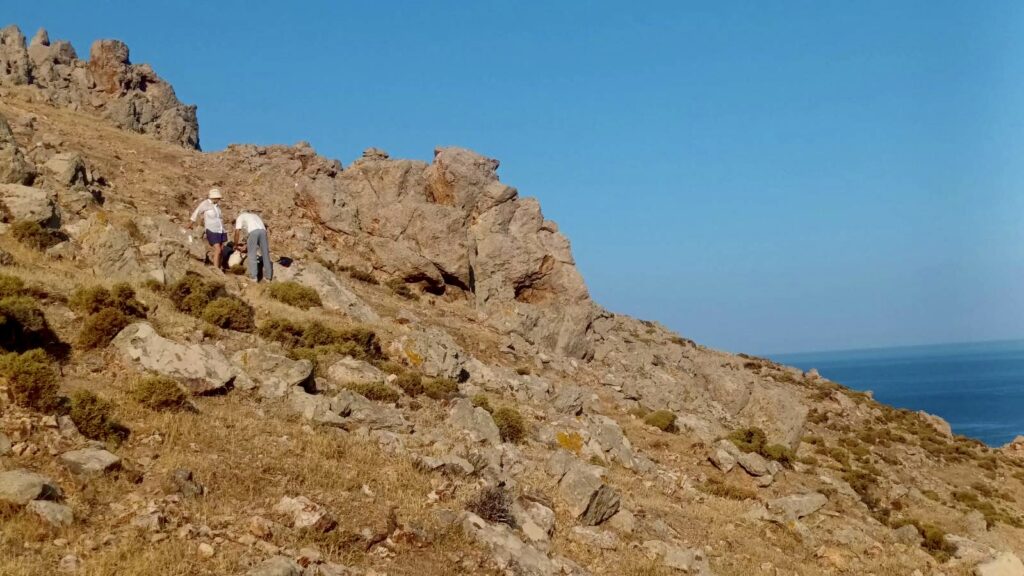
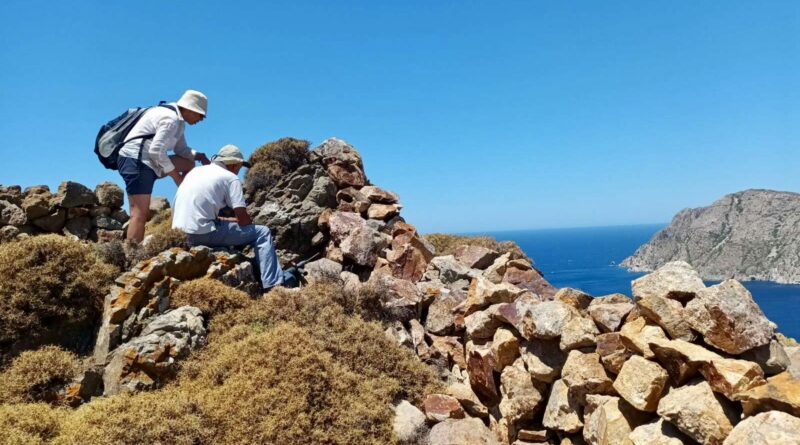
An important step toward the protection, promotion, and sustainable use of Patmos’s natural environment is currently underway, as work has begun on reviving the network of trails created by the Hellenic Society for the Environment and Culture (ELLET) in 2012, as part of the nationwide program “Paths of Culture.” The Hippocampus Association has undertaken the implementation of the first phase of the project, with the aim of maintaining and re-marking three routes of particular natural and cultural interest. At the same time, efforts are underway to have them certified by the European Ramblers Association (ERA), a development that is expected to significantly boost the promotion of Patmos as a hiking destination.
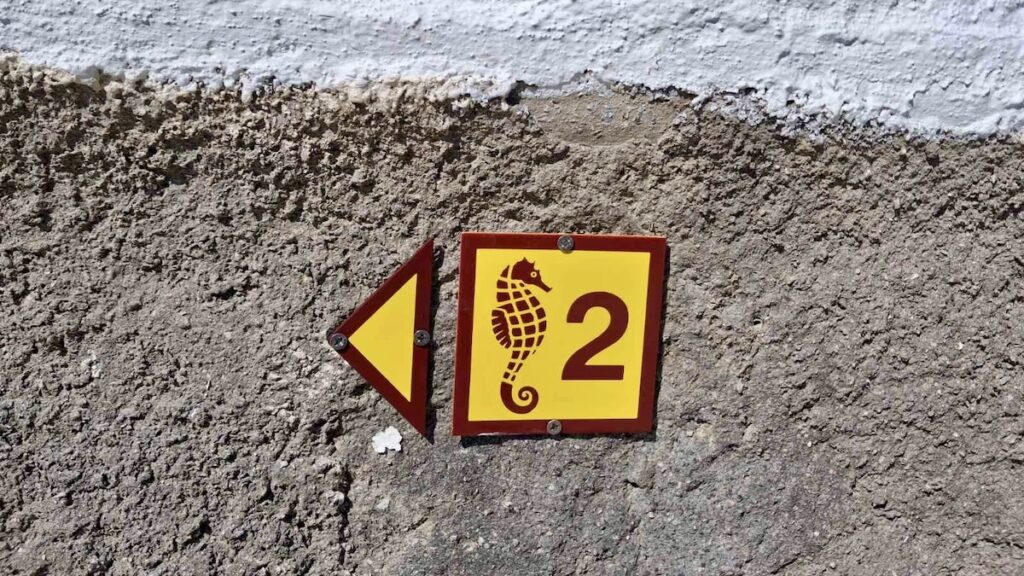
The project is primarily funded by the Cyclades Preservation Fund (CPF) and is also supported by the association’s own resources. The three routes that form the starting point of this initiative are the circular route from Skala to the Sacred Cave of the Apocalypse to Chora – Aporthianos – Skala, the Chora (Three Churches) – Groikos – Diakofti – Elia Wetland route, and the circular route from Diakofti – Prasovouno – Psili Ammos – Diakofti. The new signage is being installed gradually and was designed with both functionality and aesthetics in mind. Made of metal, wood, and ceramic, it bears the artistic signature of Giorgos Gambierakis. The distinctive emblem of the trails, inspired by the unique shape of the seahorse found on Patmos, was designed by Michalis Kalandranis, while the colors chosen reflect the island’s Byzantine heritage.
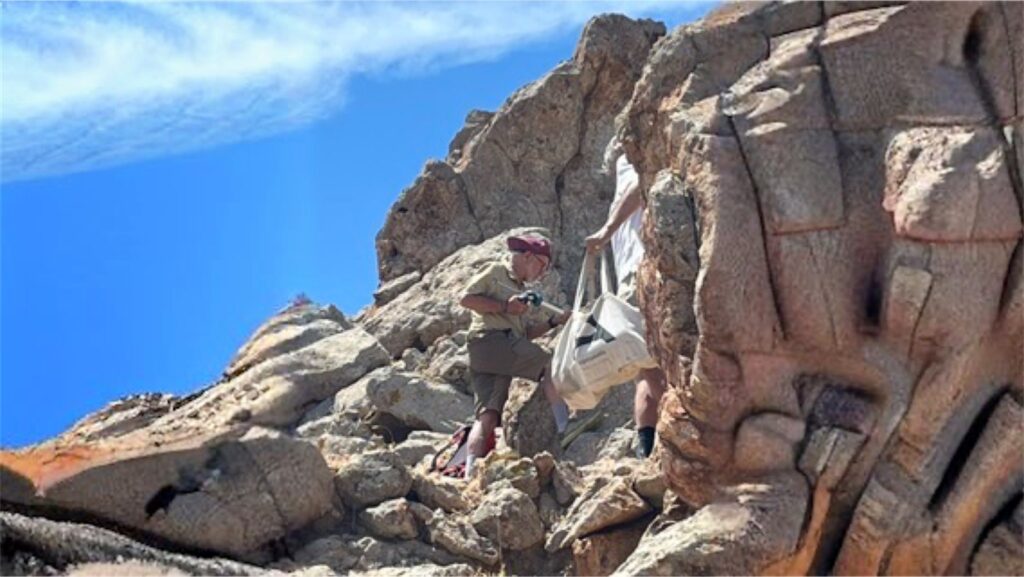
The installation of signage is still in progress, and visitors should be aware that the network has not yet been fully completed; the Patmos Municipal Information Office has already been informed of this. The contribution of volunteers Manolis Gryllakis, Victoria Sidiropoulou, and Heracles Skrapa has been crucial; they are working in remote areas, particularly in the mountains of Diakofto, where conditions are especially challenging. Also significant is the contribution of architect Artemis Theodoridi, who is volunteering her time to design the large informational signs and maps that will be installed upon the project’s completion.
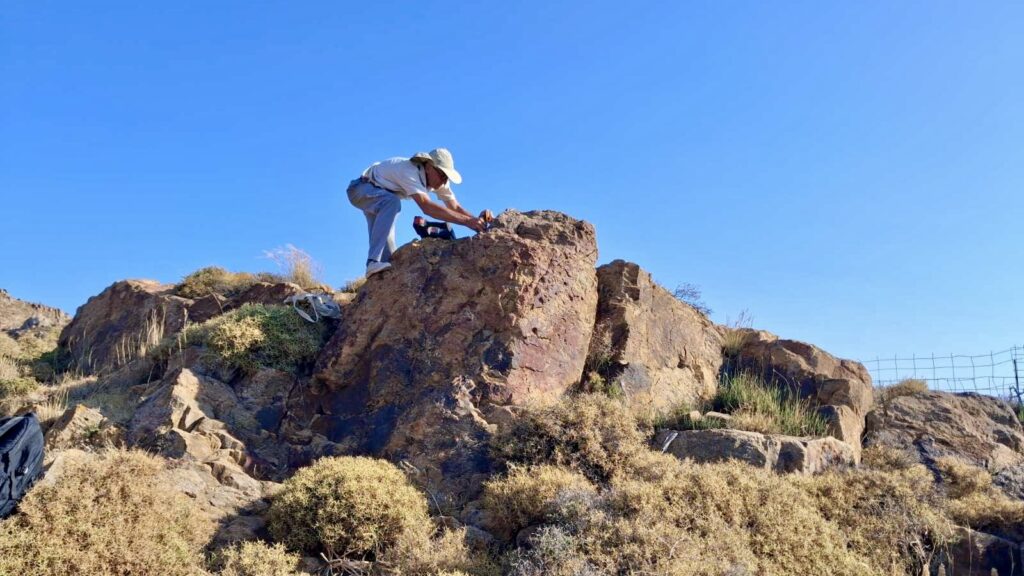
Work will continue throughout the summer and will intensify during the second half of September, when the final work will be carried out on the most challenging section of the third route. The Hippocampus Association is issuing a public call to anyone wishing to volunteer, supporting an initiative that aims to further highlight the unique landscape, history, and cultural identity of Patmos.

